
Skip to the main content.

BUYER'S GUIDE

Evaluating an MRO Management System for Business Aviation

Learn what business aviation maintenance organizations should look for when selecting a platform to improve efficiency, visibility, customer collaboration, and long-term operational performance.

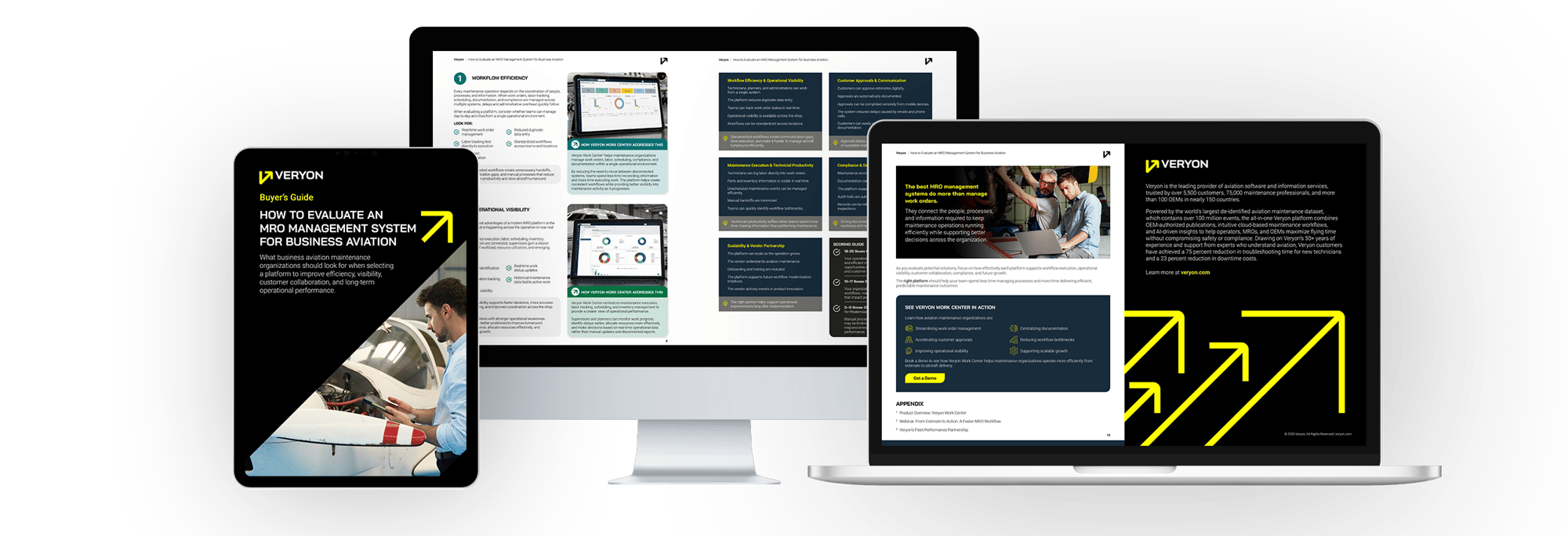
Evaluating an MRO Management System for BA Thumbnail

Introduction

Business aviation MROs are under increasing pressure to improve turnaround times, manage labor shortages, and deliver a better customer experience while maintaining compliance and operational efficiency.

Yet many repair stations and service centers still rely on disconnected systems, manual approvals, spreadsheets, and fragmented communication processes that slow execution and limit visibility across the operation.

Modern MRO management platforms are designed to address these challenges by bringing work orders, labor tracking, scheduling, invoicing, customer communication, documentation, inventory, and compliance into a single environment.

But selecting the right platform is about more than replacing legacy software and disconnected workflows. It is about choosing a solution that supports the way maintenance teams actually work while providing the flexibility to grow and adapt over time.

This guide explores the key capabilities maintenance organizations should evaluate when selecting an MRO management system and how modern workflows can improve efficiency, collaboration, and operational performance.

Five capabilities every modern MRO platform should deliver

Number 1

Workflow efficiency


Every maintenance operation depends on the coordination of people, processes, and information. When work orders, labor tracking, scheduling, documentation, and compliance are managed across multiple systems, delays and administrative overhead quickly follow.

When evaluating a platform, consider whether teams can manage day-to-day activities from a single operational environment.

Look for:

  • Real-time work order management
  • Labor tracking tied directly to execution
  • Centralized documentation
  • Reduced duplicate data entry
  • Standardized workflows across teams and locations
icon-bulb-tick

Disconnected workflows create unnecessary handoffs, communication gaps, and manual processes that reduce technician productivity and slow aircraft turnaround.


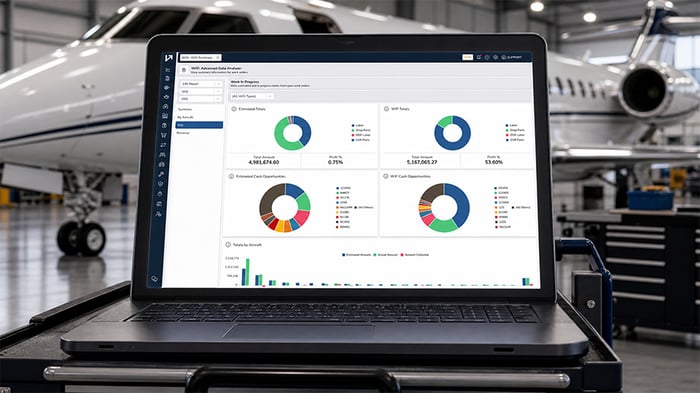
Veryon Work Center - Workflow Effeciency


How Veryon Work Center addresses this

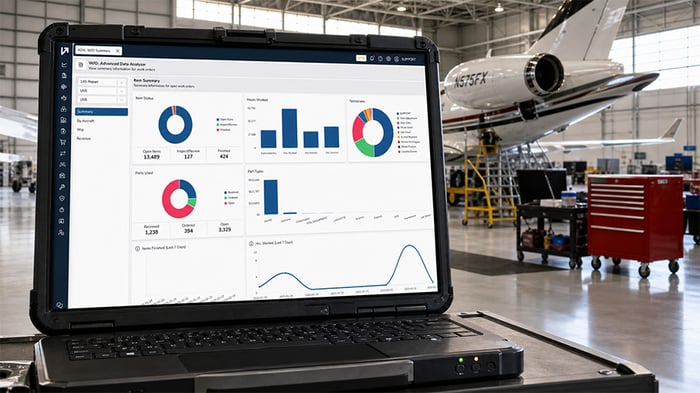
Veryon Work Center helps maintenance organizations manage work orders, labor, scheduling, compliance, and documentation within a single operational environment.

By reducing the need to move between disconnected systems, teams spend less time reconciling information and more time executing work. The platform helps create consistent workflows while providing better visibility into maintenance activity as it progresses.


Numbering_2@2x

Operational visibility


One of the greatest advantages of a modern MRO platform is the ability to see what is happening across the operation in near real time.

When maintenance execution, labor, scheduling, inventory, and documentation are connected, supervisors gain a clearer understanding of workload, resource utilization, and emerging bottlenecks.

Look for:

  • Bottleneck identification
  • Labor utilization tracking
  • Scheduling visibility
  • Real-time work status updates
  • Historical maintenance data tied to active work
icon-bulb-tick

Better visibility supports faster decisions, more accurate forecasting, and improved coordination across the shop floor. Organizations with stronger operational awareness are often better positioned to improve turnaround performance, allocate resources effectively, and manage growth.


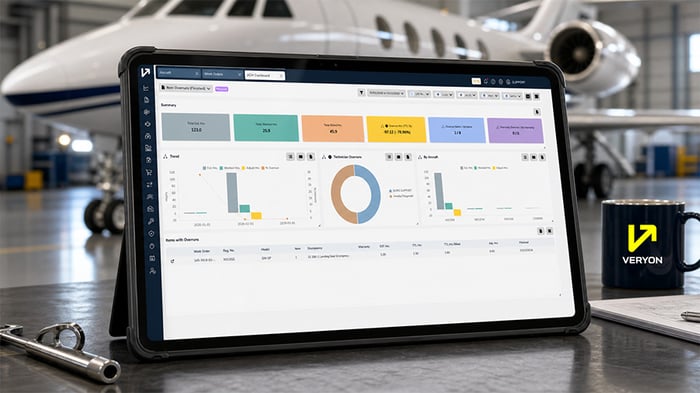
Veryon Work Center - Operational Visibility


How Veryon Work Center addresses this

Veryon Work Center centralizes maintenance execution, labor tracking, scheduling, and inventory management to provide a clearer view of operational performance.

Supervisors and planners can monitor work progress, identify delays earlier, allocate resources more effectively, and make decisions based on real-time operational data rather than manual updates and disconnected reports.

Numbering_3@2x

Customer collaboration and approvals


Maintenance events rarely follow a fixed plan. Inspection findings can change scope, introduce additional work, and require customer decisions throughout the process.

Unfortunately, many organizations still rely on emails, phone calls, PDFs, and disconnected documents to manage approvals. These delays can impact schedules, labor planning, and aircraft availability, even when the required work and parts are ready to move forward.

Look for:

  • Digital estimate approvals
  • Mobile-friendly approval workflows
  • Approval tracking and audit history
  • Real-time communication tools
  • Customer visibility into maintenance progress
icon-bulb-tick

Approval delays often become maintenance delays. As customer expectations continue to rise and maintenance schedules become increasingly compressed, organizations need a faster, more transparent way to manage estimate reviews, scope changes, and maintenance communication. Streamlined approval workflows help reduce administrative friction, improve coordination between operators and maintenance teams, and keep projects moving forward.


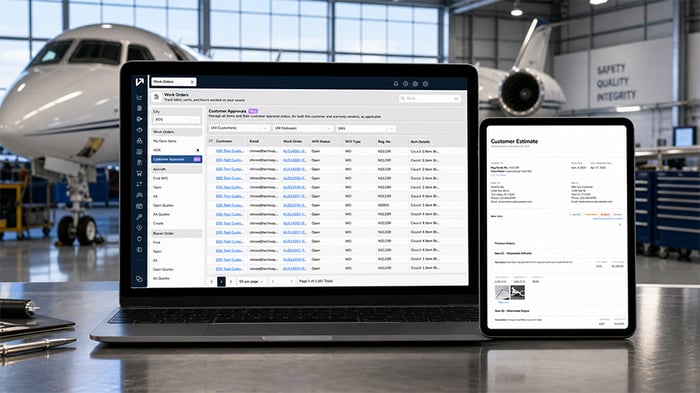
Veryon Work Center - Customer Approvals


How Veryon Work Center addresses this

Through its Customer Approvals capability, Veryon Work Center enables maintenance organizations to send secure estimates directly from the platform.

Customers can review findings, approve work, reject items, or request clarification from any device, while all communication remains connected to the work order. This helps reduce communication delays, improve transparency, maintain a complete approval history and audit trail, and keep maintenance events moving forward.

Numbering_4

Compliance and documentation management


Documentation plays a critical role in every maintenance operation. Records must be accurate, accessible, and readily available during audits, inspections, and customer reviews.

The right platform should simplify record keeping without adding administrative burden.

Look for:

  • Centralized maintenance records
  • Documentation attached directly to work orders
  • Automated audit trails
  • Searchable historical records
  • Support for FAA Part 145 processes
icon-bulb-tick

Manual documentation processes increase compliance risk and consume valuable administrative time. Centralized records improve responsiveness, reduce audit preparation effort, and help teams maintain confidence in their documentation processes.


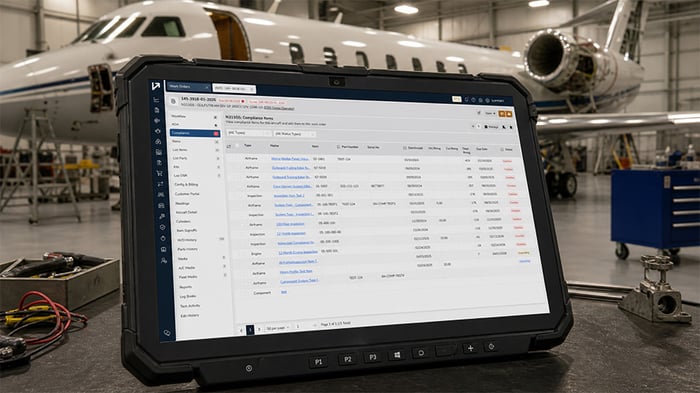
Veryon Work Center - Compliance


How Veryon Work Center addresses this

Veryon Work Center helps maintenance organizations maintain documentation alongside the work being performed.

Maintenance records, supporting documentation, work orders, and compliance-related information remain connected, helping teams improve record accessibility, strengthen audit readiness, and reduce administrative overhead.

Numbering_5

Scalability and long-term partnership


An MRO management platform should support not only current operations but also future growth.

As organizations expand, adding locations and technicians, increase aircraft volume, or introduce new services, operational complexity grows alongside them.

Look for:

  • Multi-location support
  • Flexible workflow configuration
  • Ongoing product innovation
  • Aviation-specific expertise
  • Comprehensive onboarding and training
  • Dedicated customer support
icon-bulb-tick

Choosing an MRO platform is a long-term operational decision. The right technology partner should help your organization evolve and improve over time.


Veryon Work Center - Scalability


How Veryon Work Center addresses this

Veryon Work Center provides the operational foundation growing maintenance organizations need to scale efficiently. By connecting work orders, labor tracking, scheduling, compliance, and customer collaboration within a single platform, teams gain the visibility and consistency needed to support long-term growth.

Veryon Fleet Performance Partnership

Customers also benefit from Veryon’s Fleet Performance Partnership, which combines technology with aviation maintenance expertise. Through dedicated onboarding, training, customer success resources, and ongoing operational guidance, organizations receive support that extends well beyond implementation.

The result is a long-term partnership focused on helping maintenance teams improve efficiency, adapt to changing operational requirements, and maximize the value of their investment over time.

MRO management system evaluation checklist


Selecting an MRO management system is about more than features. It’s about choosing a platform that improves visibility, streamlines workflows, supports compliance, and helps your operation scale. Use the checklist below to evaluate how well your current system supports these critical areas.

Workflow efficiency & operational visibility

Disconnected workflows create communication gaps, slow execution, and make it harder to manage aircraft turnaround efficiently.


Maintenance execution & technicial productivity

Technician productivity suffers when teams spend more time chasing information than performing maintenance.


Scalability & vendor partnership

The right partner helps support operational improvements long after implementation.


Customer approvals & communication

Approval delays are one of the most common sources of avoidable maintenance downtime.


Compliance & documentation

Strong documentation processes improve compliance readiness and reduce administrative workload.


Scoring guide


18-25 Boxes Checked:
Connected & Modernized


Your operation likely has strong workflow visibility and efficient maintenance processes in place. Future opportunities may include additional automation and customer experience enhancements.


10-17 Boxes Checked:
Operational Gaps Exist


Your organization may still rely on disconnected workflows, manual approvals, or inefficient handoffs that impact productivity and turnaround times.


0-9 Boxes Checked:
High Opportunity for Modernization

Manual processes and fragmented systems may be limiting operational efficiency, customer responsiveness, and overall maintenance performance.


Making the right investment for long-term growth


The best MRO management systems do more than manage work orders.

They connect the people, processes, and information required to keep maintenance operations running efficiently while supporting better decisions across the organization.

As you evaluate potential solutions, focus on how effectively each platform supports workflow execution, operational visibility, customer collaboration, compliance, and future growth.

The right platform should help your team spend less time managing processes and more time delivering efficient, predictable maintenance outcomes.

See Veryon Work Center in action

Learn how aviation maintenance organizations are streamlining work order management by booking in a demo with our team.

Not ready for a demo?

Reach out to the team with any questions, or get a quote to understand our pricing.

Talk to Sales
Get a Quote